What makes up a laminated material?
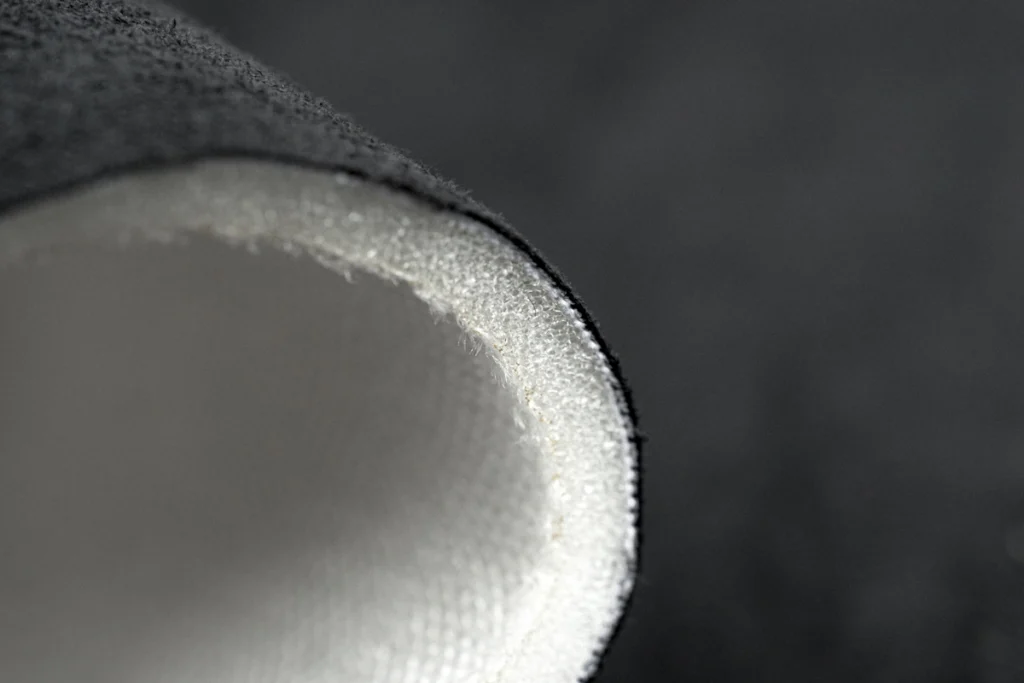
In a laminated construction, the surface material is bonded to a backing. INTER TAP’s solutions use polyurethane foam, with a technical knitted backing added in selected versions.
The finished combination has different properties from the surface material alone. Assess the version intended for your project, particularly before sewing, shaping or bonding.
With or without a technical knitted backing?
Foam with a technical knitted backing
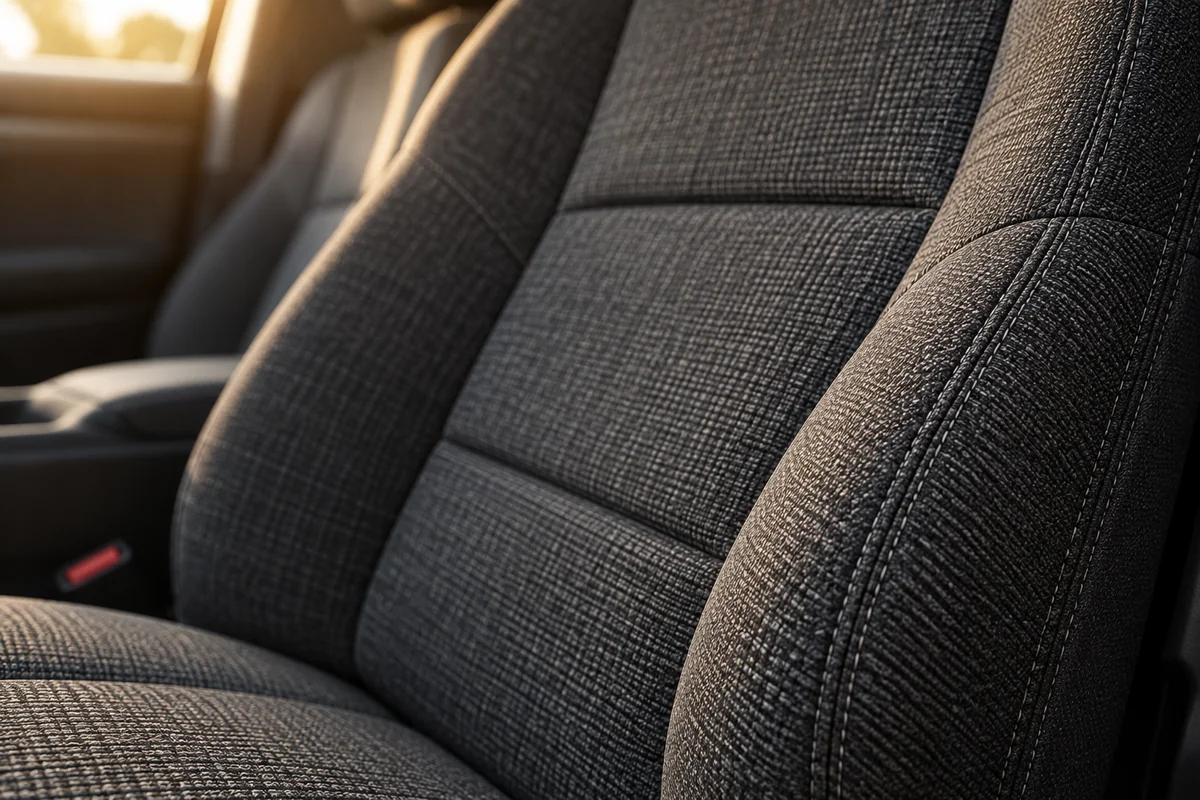
An option used for upholstery and seat covers. The technical layer makes sewing and fitting the upholstery easier.
Foam without a technical knitted backing
An option used, among other applications, for headlinings where the material needs to fit a more complex shape.
Do not choose solely on the basis of the option’s name. Confirm how to work with the material, the construction of the component and the result you want with your installer or adviser.
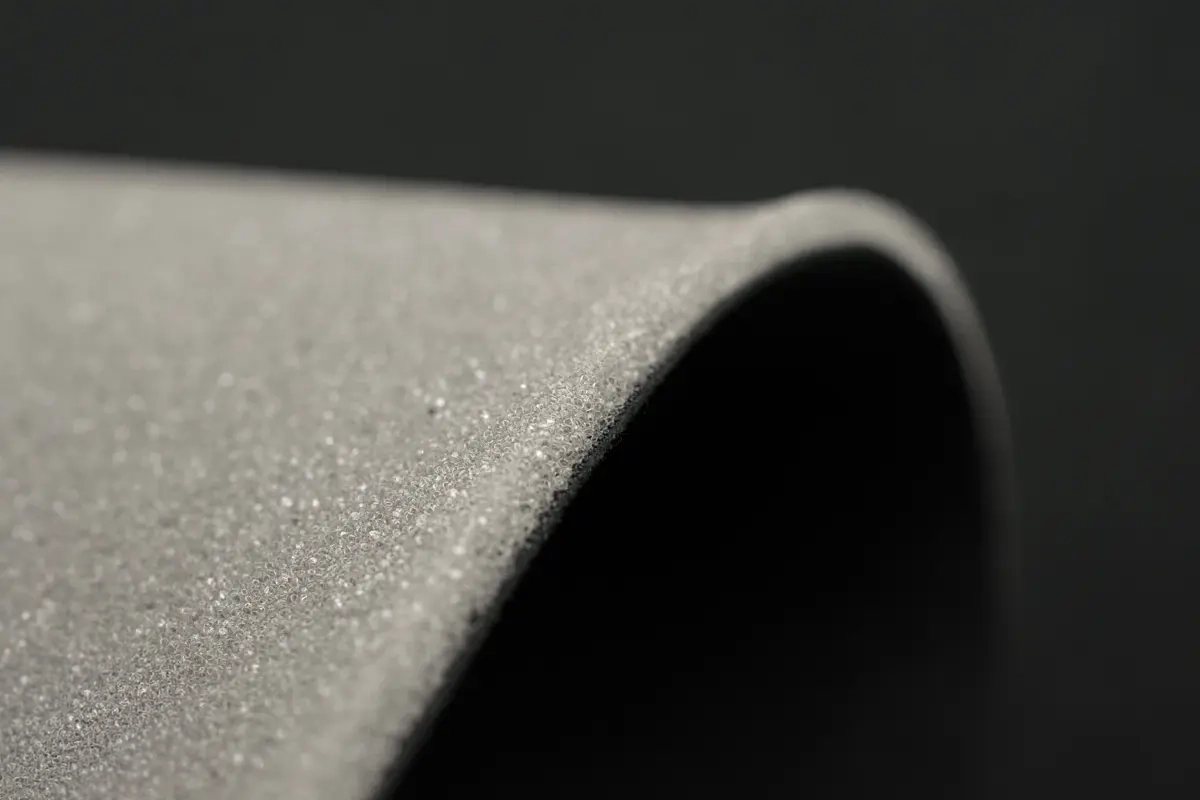
Backing thickness and density
Foam affects the thickness and softness of the finished material. Consider its thickness and density alongside your project’s needs, rather than assuming that “more is better”.
For shaped components, check how the material follows curves and edges. For sewn upholstery, assess trial seams and how it fits over the finished structure.
With delicate materials, consider how the foam colour may affect the appearance of the surface after lamination.
Carry out a trial before placing the final order
Tell your adviser about the application, installation method, technical requirements and the consistency you expect. Ask for a sample of the final version and confirmation that your chosen material can be prepared as required.
Check on a sample
Appearance, thickness, shaping, trial sewing or bonding, and fit to the component’s structure.
INTER TAP also offers lamination of selected materials to order. Agree on the scope of the service and the backing option for your particular project.